Top 5 Fire Starters for Your Next Bushcraft Adventure
Get ready for your next outdoor adventure with this guide to the top five fire starters every bushcrafter should know. From traditional ferro rods to modern waterproof tinder options, this blog breaks down reliable, field-tested tools that help you spark a flame in any condition. Whether you're a beginner learning the basics or a seasoned survivalist refining your kit, discover the best fire-starting gear to keep you warm, cooking, and confident in the wild.
Johnny Miller
4/30/20263 min read
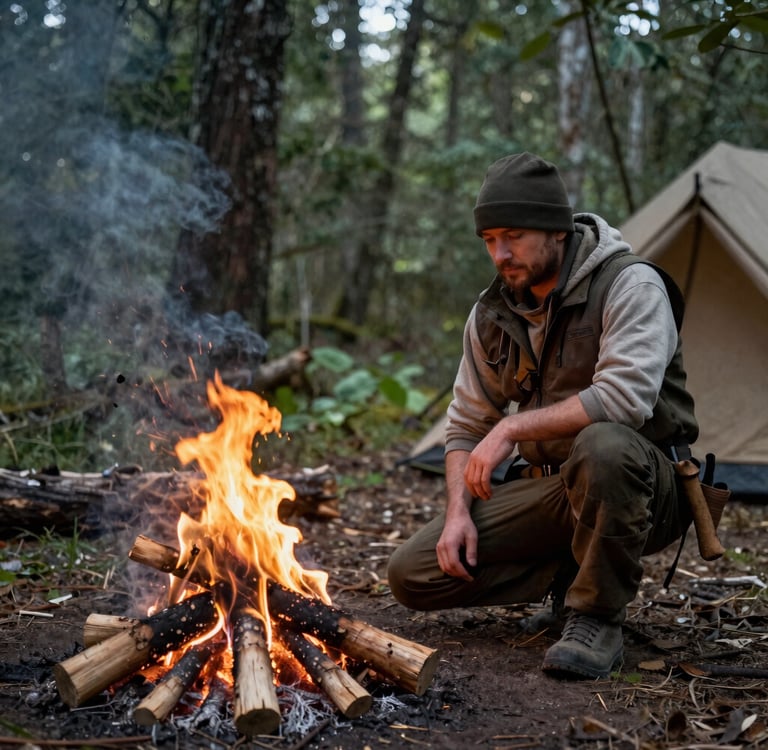
Introduction to Fire Starters in Bushcraft
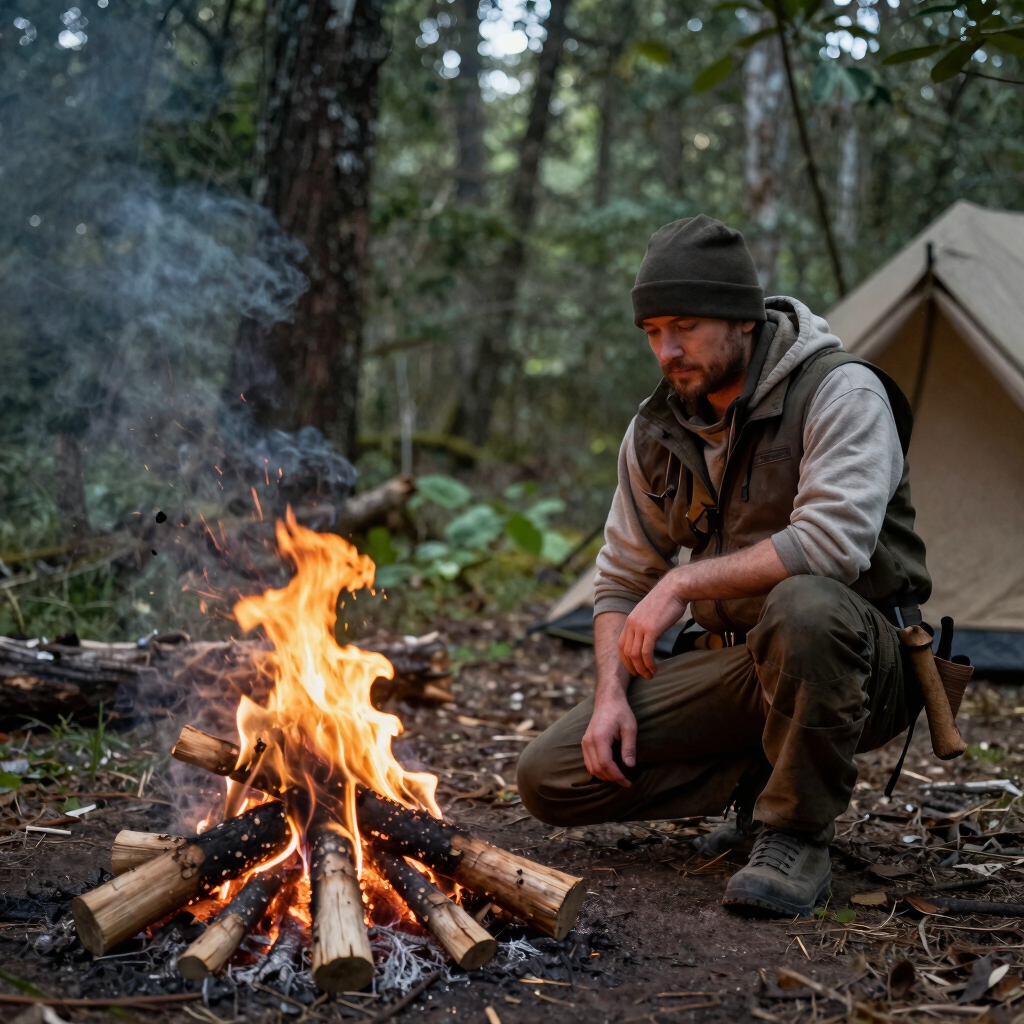
When you embark on a bushcraft adventure, mastering the art of fire-making is absolutely crucial. Not only does it keep you warm during those chilly nights in the wilderness, but it also provides essential light, cooking capabilities, and a much-needed sense of comfort and safety in the vast expanse of nature. Below, we explore in detail five of the best fire starters and techniques that can elevate your bushcraft skills to a whole new level, ensuring you are well-prepared for any outdoor scenario that comes your way.
Whether you’re a beginner learning survival basics or an experienced outdoorsman refining your kit, having dependable fire-starting tools can make all the difference. In this guide, we’ll cover the top five fire starters for bushcrafting, their strengths, weaknesses, and why they deserve a place in your pack.
This post may contain affiliate links and we may earn a small commission when you click on a link at no additional cost to you!
________________________________________________________________________________________________________________________
1. Ferrocerium Rod (Ferro Rod)
A ferrocerium rod is considered one of the most reliable fire starters in the bushcraft world. It creates a shower of extremely hot sparks when scraped with a striker or knife spine.
Why Bushcrafters Love It
Works in wet and cold conditions
Lasts for thousands of strikes
Lightweight and compact
Doesn’t rely on fuel or batteries
Best Uses
Ferro rods are excellent for long-term survival kits and rugged outdoor adventures. Pair them with dry tinder like birch bark, char cloth, cotton balls, or feather sticks for the best results.
Pros
Extremely durable
Weather resistant
Long lifespan
Cons
Requires practice
Needs quality tinder to ignite
Bushcraft Tip
Scrape slowly and firmly while keeping the rod close to the tinder pile. This helps direct sparks exactly where they’re needed.
________________________________________________________________________________________________________________________
2. Waterproof Storm Matches
Storm matches are specially designed matches that continue burning even in strong wind and rain. They’re one of the easiest and fastest ways to start a fire outdoors.
Why Bushcrafters Carry Them
Simple to use
Reliable in harsh weather
Burns hotter and longer than standard matches
Best Uses
Ideal as a backup fire starter or for emergency situations where speed matters.
Pros
Beginner friendly
Fast ignition
Effective in wind and rain
Cons
Limited supply
Can become unusable if stored improperly
Bushcraft Tip
Store storm matches in a waterproof container and keep extra strikers in separate locations inside your pack.
________________________________________________________________________________________________________________________
3. Cotton Balls with Petroleum Jelly
Cotton balls coated in petroleum jelly are one of the most effective DIY fire starters for bushcraft and survival situations. They ignite easily and burn long enough to help light damp tinder and small sticks.
Why Bushcrafters Use Them
Extremely lightweight
Cheap and easy to make
Burns for several minutes
Works well with ferro rods and lighters
Best Uses
Perfect for emergency fire kits, wet weather conditions, and beginner-friendly fire starting.
Pros
Affordable
Long burn time
Compact and easy to carry
Cons
Can become messy if not stored properly
Not reusable
Bushcraft Tip
Store petroleum jelly cotton balls inside a waterproof pill bottle or zip bag to keep them dry and ready to use.
________________________________________________________________________________________________________________________
4. Char Cloth and Flint
This traditional fire-starting method has been used for centuries. Char cloth catches sparks easily and slowly smolders until transferred into a tinder bundle.
Why Traditionalists Love It
Primitive and skill-based
Doesn’t rely on modern fuel
Great for historical bushcraft practice
Best Uses
Perfect for learning traditional wilderness skills and practicing primitive survival techniques.
Pros
Historical authenticity
Lightweight materials
Reusable flint and steel
Cons
Slower process
Requires preparation and skill
Less effective in wet conditions
Bushcraft Tip
Make your own char cloth at home using 100% cotton fabric and a metal tin with a small vent hole.
________________________________________________________________________________________________________________________
5. Fatwood
Fatwood is resin-rich pine wood that ignites quickly and burns hot, making it an excellent natural fire starter.
Why It Works So Well
Natural and easy to find in pine forests
Burns even when damp
Produces a strong flame quickly
Best Uses
Excellent for starting campfires in damp environments or adding to your tinder bundle.
Pros
Natural fire starter
Long burn time
Strong flame output
Cons
Slightly heavier than synthetic tinder
Availability depends on location
Bushcraft Tip
Shave thin curls from fatwood sticks to create highly flammable tinder that catches sparks easily.
________________________________________________________________________________________________________________________
Choosing the Right Fire Starter
The best fire starter depends on your environment, experience level, and personal preference. Many experienced bushcrafters carry multiple fire-starting methods to ensure redundancy in the field.
Here’s a simple setup many outdoorsmen use:
Primary: Lighters
Backup: Ferro rod
Emergency: Storm matches
Natural tinder: Fatwood
DIY: Cottonball with petroleum jelly
This layered approach helps ensure you can start a fire in almost any condition.
________________________________________________________________________________________________________________________
Final Thoughts
Fire starting is one of the most essential bushcraft skills you can learn. While tools matter, practice is what truly builds confidence in the outdoors. Spend time experimenting with different fire starters, test them in various weather conditions, and learn which methods work best for you.
A dependable fire can turn a difficult night in the wilderness into a safe and comfortable experience. By carrying reliable fire starters and practicing regularly, you’ll be better prepared for any adventure nature throws your way.
Happy bushcrafting, and stay safe out there.
Contact
Join Crockett Ridge Outdoors
© 2026. All rights reserved. Crockett Ridge Entreprises, LLC dba Crockett Ridge Outdoors
Menu
Recommended Outdoor Gear
We protect your personal information. By subscribing, you are agreeing to recieve informative updates from Crockett Ridge Outdoors.